Kamakura Period
1185 to 1333 A.D.
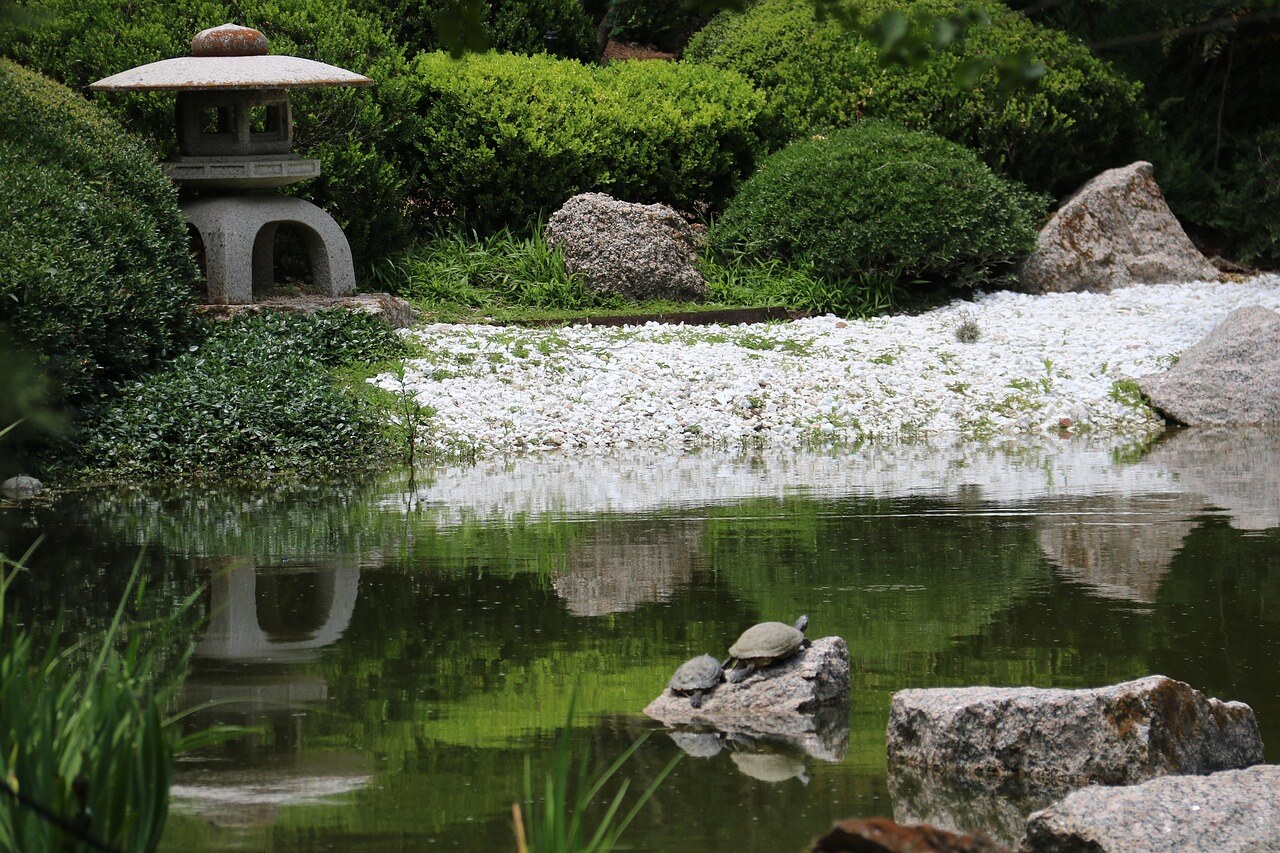
This was a time of unrest and war. The nobility still built vast estates in the Shinden style, while the rising military class worked in smaller spaces and made gardens for viewing and practical use. Many estates and their gardens were destroyed in the fighting, and only remnants survive. One of the finest, the Pure Land garden at Shōmyō-ji in Yokohama, first laid out around 1320, has been restored.
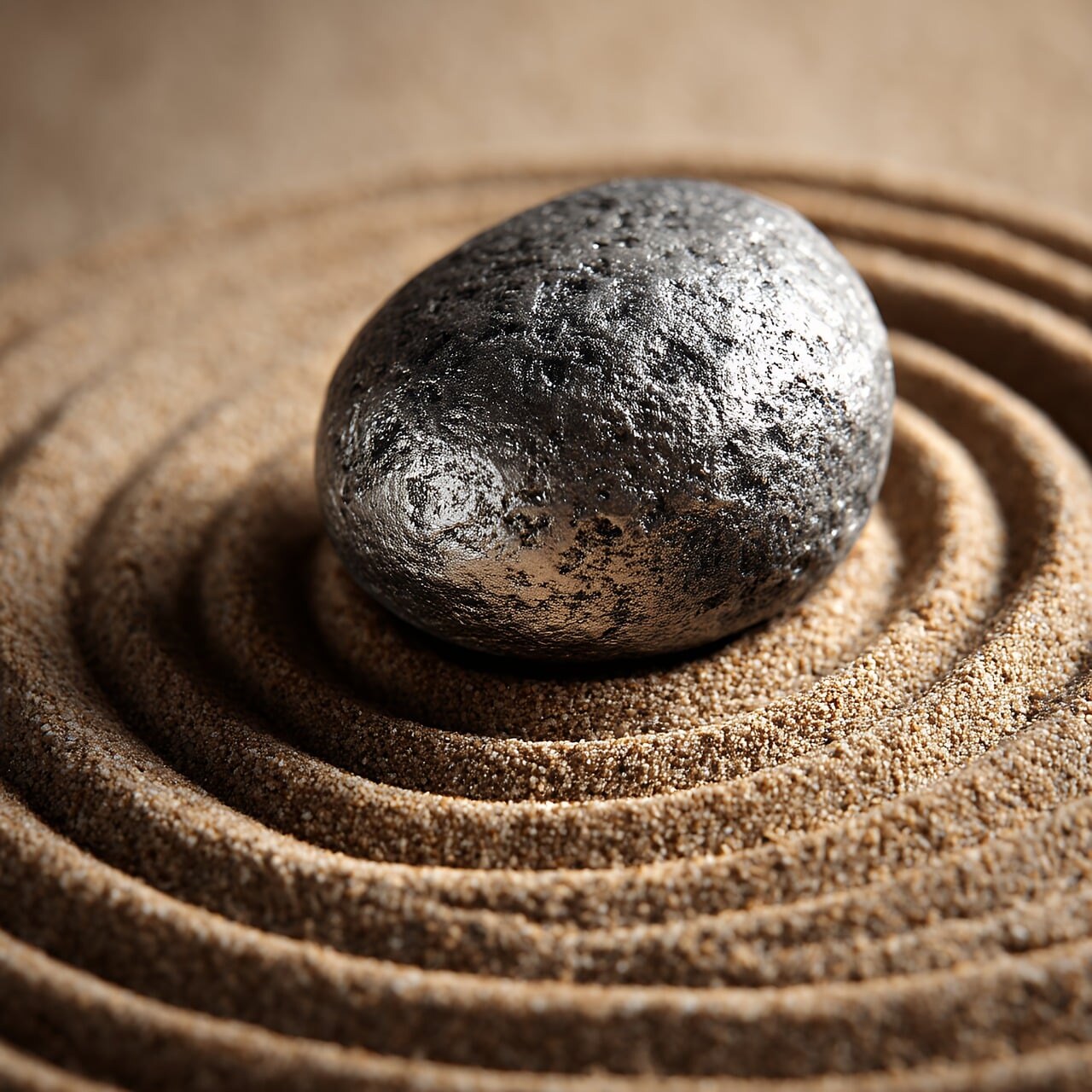
Zen Buddhism moved to the front of Japanese culture in this period, and with it came a deep shift in garden design. Zen ideas of simplicity, discipline, and directness changed how gardens were made. Out of that spirit the dry landscape garden, the karesansui, began to take shape: raked gravel for water, placed stones for mountains, moss for forest. These gardens were not made for strolling or pleasure but for meditation. The Zen garden asks you to look inward as much as outward. It is as much a place of the mind as of the earth.
The period also renewed the exchange of ideas and art between Japan and China, above all in landscape painting, which became the basis for many of the famous gardens of the Muromachi period.
Escape Garden Design · 312-E Aspen Business Center, Aspen, Colorado 81611 · Voice: 970.920.3700 · Fax: 970.920.9589 · Start a conversation