Nara Period
710 to 794 A.D.
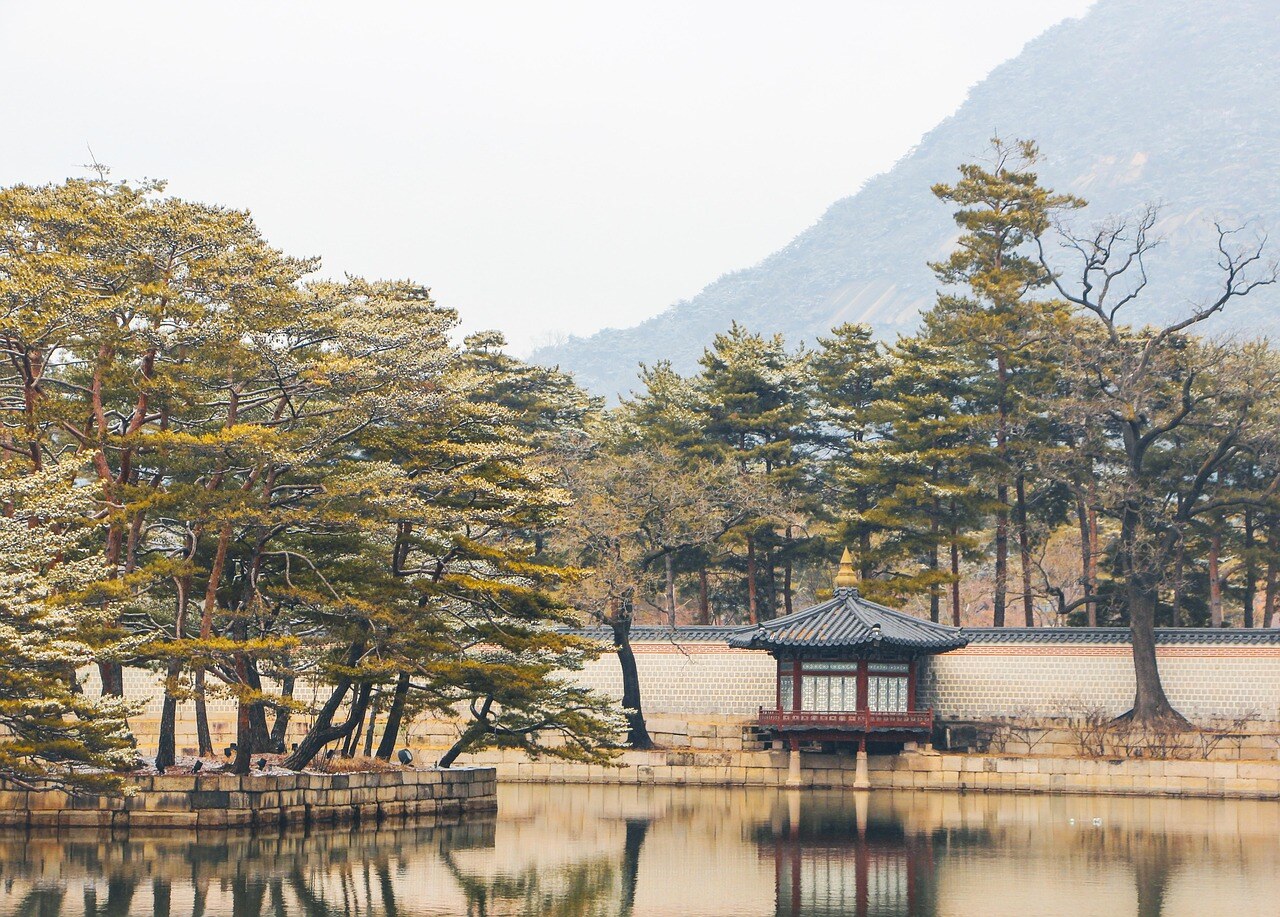
Nara sits in the Nara Basin and became the capital of Japan in 710 AD. The Imperial Palace covered 120 hectares and held the emperor's residence, government offices, and a major Buddhist temple. The period flourished economically and culturally, and its aristocrats lived lavishly.
The earliest formal Japanese garden art took shape here, carried in by traveling scholars and monks steeped in Chinese and Korean traditions. These gardens were meant to evoke paradise: broad pleasure grounds around aristocratic palaces, with wide ponds, islands, and bridges. Nature was the heart of the experience, spiritual as much as aesthetic, not a backdrop. That idea runs through every later period of Japanese garden history.
When the capital moved to Kyoto at the end of the period, the palace was abandoned, as was common practice, and its buildings were slowly lost. The site is now an archaeological restoration, and its garden has been rebuilt in the original form.
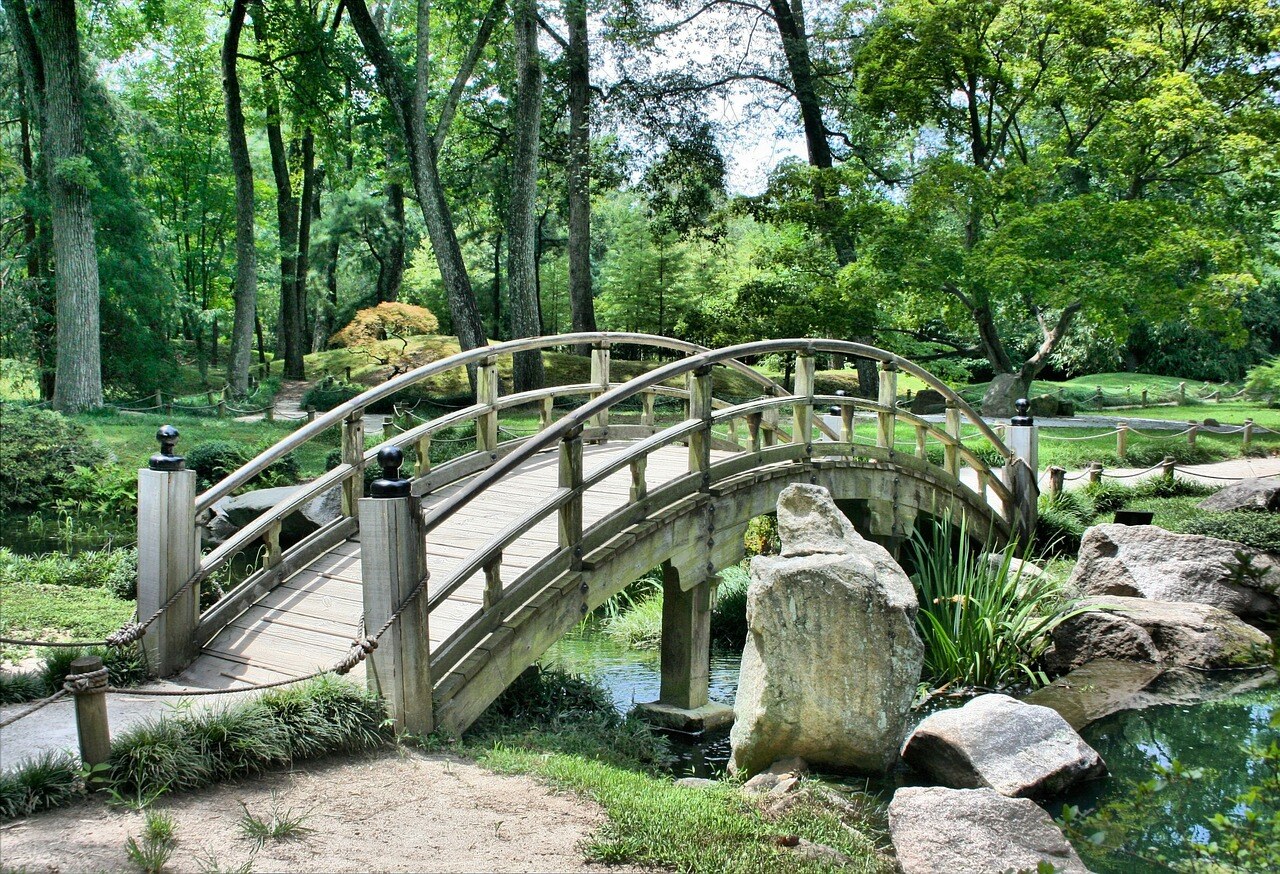
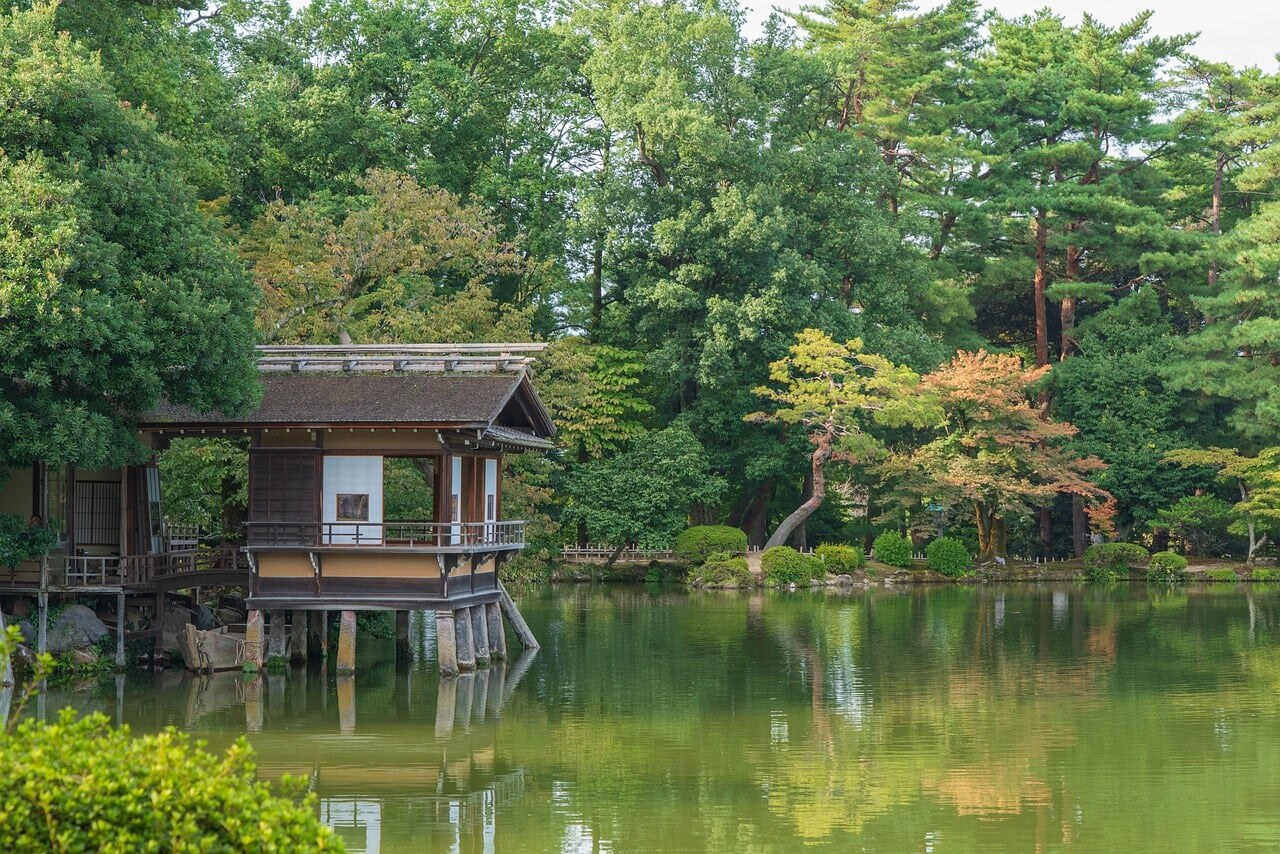
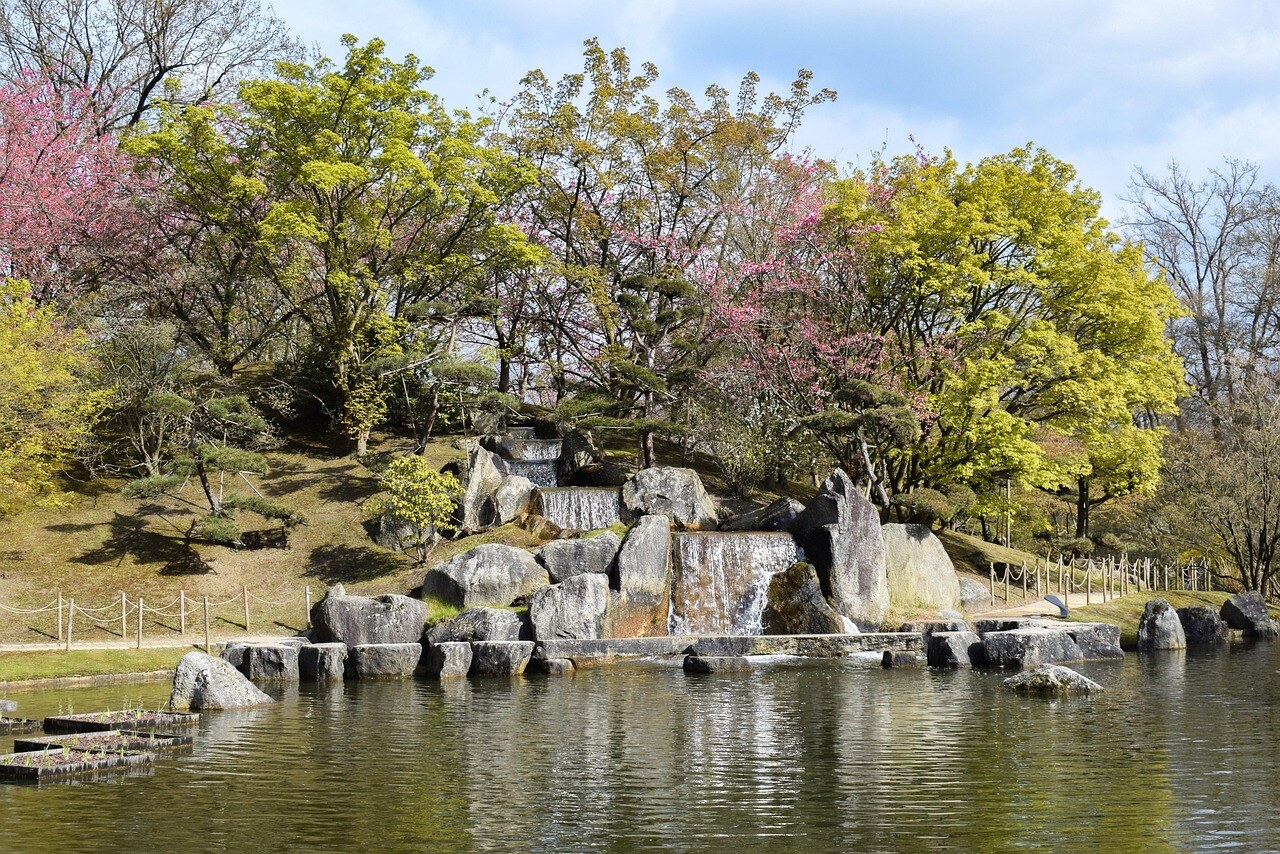
Two gardens stood at this site: an early Chinese style garden, and a Japanese style garden built over it in the middle of the period, perhaps around 767 AD. The garden presents a seascape in miniature. Ponds, a pebble shoreline, and rock formations suggest the coast, with pavilions set at the water and an arched bridge crossing the pond.
Escape Garden Design · 312-E Aspen Business Center, Aspen, Colorado 81611 · Voice: 970.920.3700 · Fax: 970.920.9589 · Start a conversation