Fall 2013: The Emerald Ash Borer Arrives
· Escape Garden Design, Aspen, Colorado
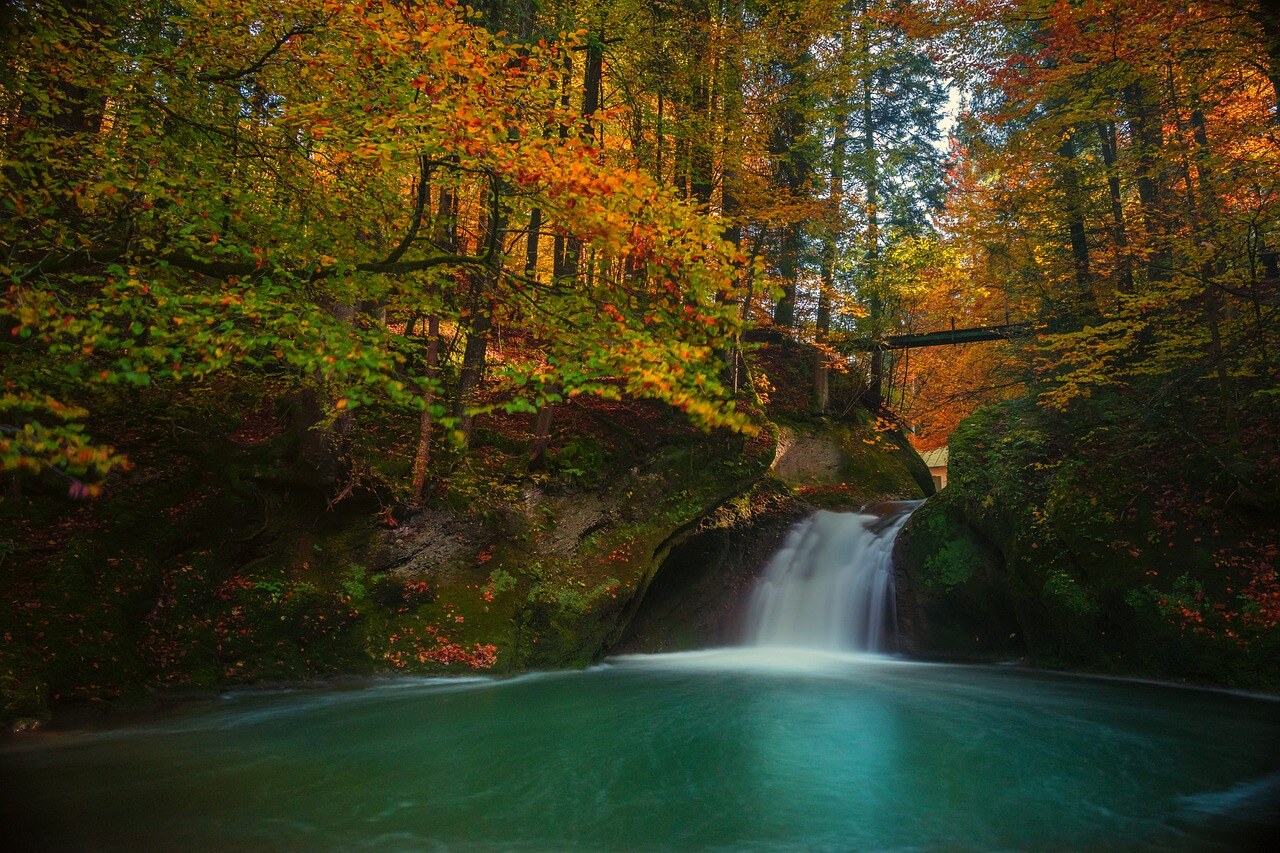
Fall is the short, brilliant one, two weeks of aspen gold and then a hard night that ends it.
Spring bulbs go in now, tucked where they will be seen from a window come March, which is when they will be needed most.
It is also the best planting season of the year. The soil is still warm, the air is cool, and trees and divided perennials get a quiet head start before the ground locks up. A tree planted in fall is ahead of one planted next spring.
This is when we put the gardens to bed: cutting back what needs it, leaving seed heads and grasses for the birds and for winter interest, blowing out the irrigation, and shutting down the water features before a freeze can crack a line.
The emerald ash borer turned up in Boulder this September, the first sighting in Colorado, and a freak storm flooded the Front Range the same month. We started steering clients away from leaning too hard on ash and paying closer attention to drainage.
We also spent time this season on the everyday craft of the garden. Good landscape lighting is something you feel more than notice, and the most common mistake is simply too much of it. We light for effect, not for daylight: a soft graze across a stone wall, a single uplit tree, a path lit just enough to walk safely. Warm color temperatures flatter planting and stone, while cold blue-white light makes a garden look like a parking lot.
Drain and winterize anything that holds water before the first hard freeze, and do not let a warm spell lull you into waiting too long.
More than anything, a garden up here rewards patience: it takes a season or two longer to settle than people expect, then looks like it was always there.
We design, build, and maintain our own gardens, so we live with the results for years and learn from them.
The land around us is the best teacher there is, and the gardens we like best borrow from the hillsides more than from any catalog.
Everything in this valley runs on the same short calendar, and the gardens that thrive are the ones designed around it rather than against it.
Our soil is mostly alkaline clay, the air is thin and dry, and the sun is strong, so the plants that last are the ones that have made peace with all three.
We take on only a handful of gardens each year, which is the only way to give a place like this the attention it asks for.
That is the season from where we stand. We will check back when the next one turns.