Spring 2019: The Snow Year That Broke the Drought
· Escape Garden Design, Aspen, Colorado
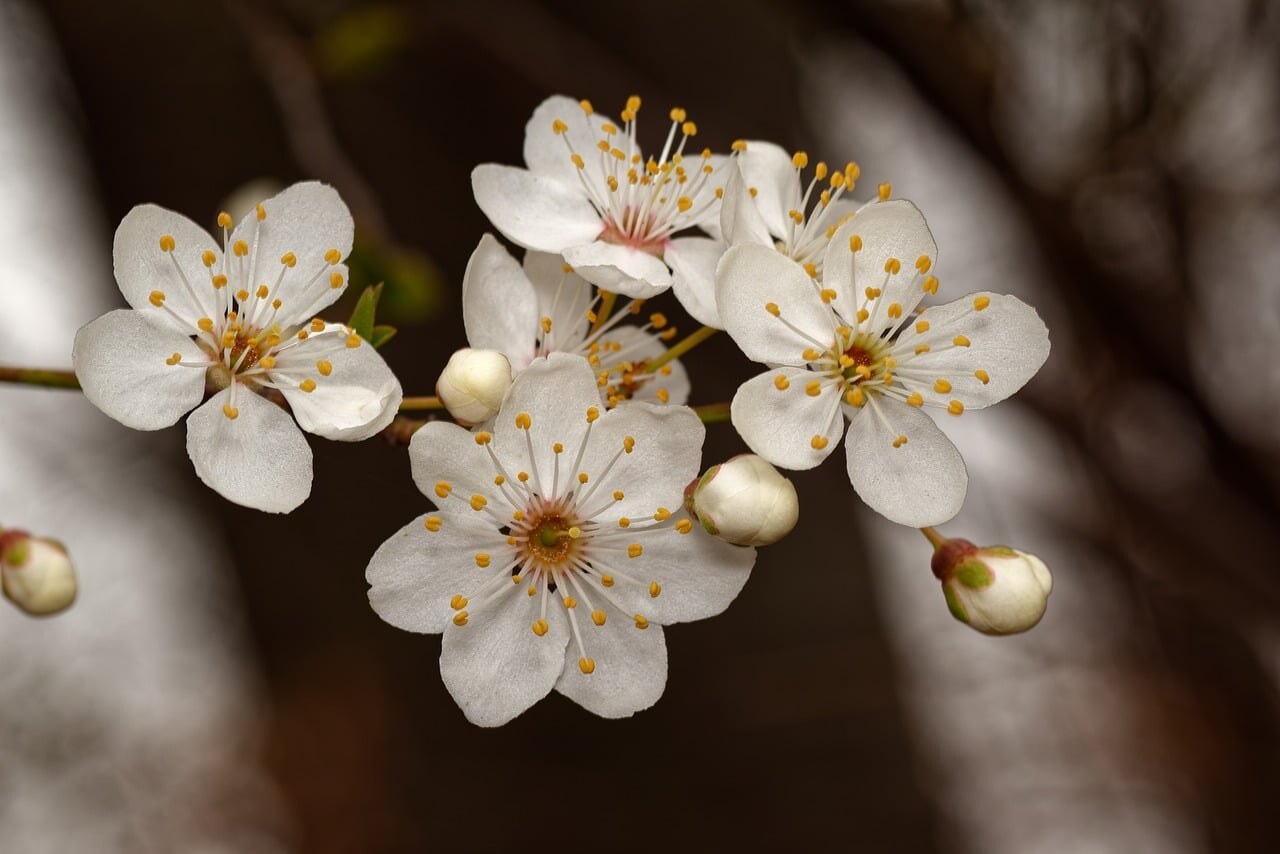
The valley spends weeks deciding whether to let go of winter, and mud season is the price of admission to spring.
Cleanup is the work of the season, though it is less about tidying and more about reading what the winter did: what came through, what did not. We cut back last year's growth and freshen the compost.
Patience is the rule. The last hard frost can land in early to mid June up here, so the tender things wait while the cold-tolerant ones go in the ground.
The first bulbs push through the last of the snow, then the columbine and the early natives, and the whole valley turns green almost overnight once it commits.
A generous winter and a deep snowpack finally broke the drought across much of Colorado, and the gardens showed it. Everything came on strong that spring.
Aside from the weather, here is what was on our minds in the garden this season. A lot of landscapes fail in the gap between the designer who drew it and the crew who built it and the people who maintain it. We do all three on purpose, so the intent of a design survives into the stone setting and the seasonal care. When the same team is responsible across all four phases, foundation, design, construction, and maintenance, the details do not get lost in translation.
Go easy on the beds while they are wet with snowmelt, since working saturated soil compacts it for the season, and firm any plants the freeze and thaw has heaved.
More than anything, a garden up here rewards patience: it takes a season or two longer to settle than people expect, then looks like it was always there.
We design, build, and maintain our own gardens, so we live with the results for years and learn from them.
The land around us is the best teacher there is, and the gardens we like best borrow from the hillsides more than from any catalog.
Everything in this valley runs on the same short calendar, and the gardens that thrive are the ones designed around it rather than against it.
Our soil is mostly alkaline clay, the air is thin and dry, and the sun is strong, so the plants that last are the ones that have made peace with all three.
We take on only a handful of gardens each year, which is the only way to give a place like this the attention it asks for.
That is the season from where we stand. We will check back when the next one turns.