Winter 1997-1998: An El Nino Winter
· Escape Garden Design, Aspen, Colorado
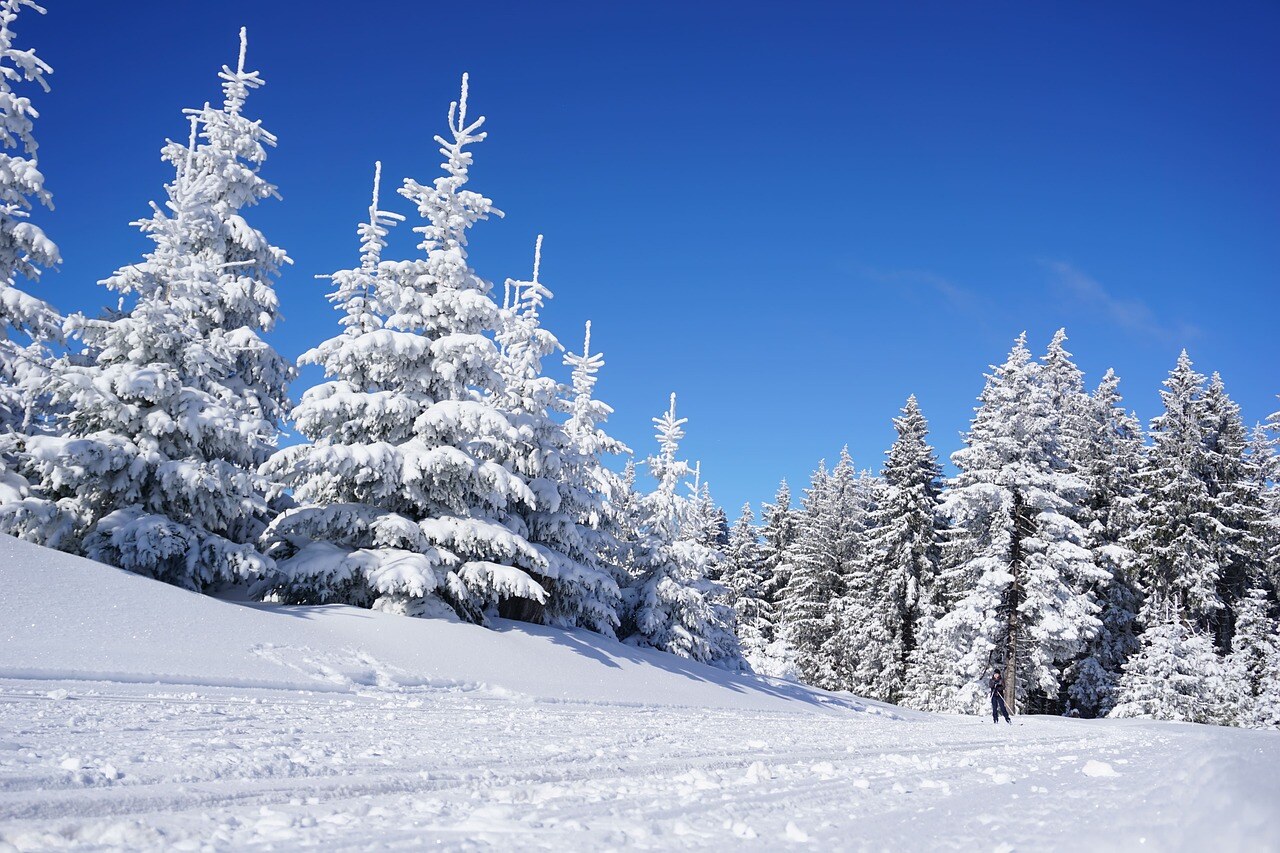
Winter settles into the valley for a long stay, and the garden does its quietest, most honest work under the snow.
Snow is the headline. A deep, steady snowpack is the best thing that can happen to a garden up here, insulating roots and watering the soil slowly as it melts. A thin, open winter is harder on plants than any cold snap.
Out in the garden, the evergreens carry the whole composition now, and a heavy wet snowfall is the one thing worth bundling up for, to brush the weight off upright branches before it splits them.
Most of our work this season happens indoors at the drawing table, planning the gardens we will build once the ground opens. The cold months are the busiest at the drawing board, even if it does not look that way from the road.
A strong El Nino loaded the mountains with snow the winter of 1997 into 1998, the kind of deep, steady snowpack that sets a garden up for a good year. We will take a winter like that any time it is offered.
On the practical side this season, a note from the field. The blue spruce is native to this part of the Rockies and it is the plant we lean on for winter structure more than any other. It is slow and long lived, which means you plant it for the next owner as much as for yourself, and you give it real space because it gets wide at the base. Full sun, room to breathe, and patience. Crowded spruce get thin and invite trouble.
If the season turns dry and snowless, which happens more than people expect, water the evergreens and young trees deeply on a warm day, then put the hose away before it freezes.
Everything in this valley runs on the same short calendar, and the gardens that thrive are the ones designed around it rather than against it.
Our soil is mostly alkaline clay, the air is thin and dry, and the sun is strong, so the plants that last are the ones that have made peace with all three.
We take on only a handful of gardens each year, which is the only way to give a place like this the attention it asks for.
More than anything, a garden up here rewards patience: it takes a season or two longer to settle than people expect, then looks like it was always there.
We design, build, and maintain our own gardens, so we live with the results for years and learn from them.
That is the season from where we stand. We will check back when the next one turns.