Some Best Management Practices (BMP's) for Water Conservation
· Escape Garden Design, Aspen, Colorado
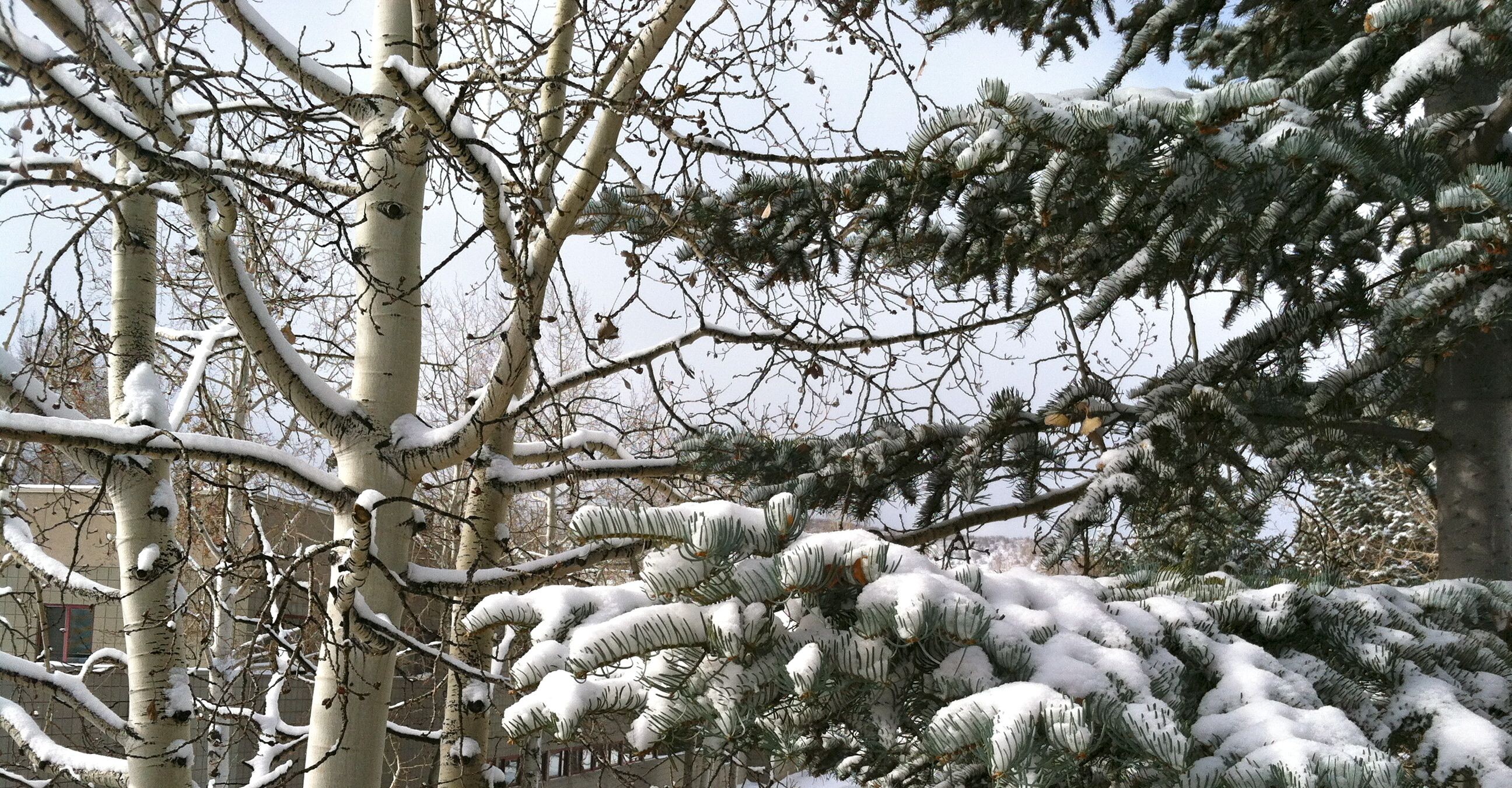
Mulch, hydrozoning, drip irrigation, native plants, and healthy soil are the five practices that save the most water in a Rocky Mountain garden. We have leaned on all five in our Aspen, Colorado work since 1998, and together they can cut a garden's water use by a third or more without the garden ever looking thin or dry.
Water is the most precious resource in the Roaring Fork Valley. As designers working this land, we keep refining how to use less of it, and use it more wisely.
1. Mulch your gardens
Mulch holds moisture in the ground, so plants get more of it instead of losing it to evaporation. A 2 to 3 inch layer of organic mulch around perennials, shrubs, and trees can cut watering needs by up to half.
2. Group plants by water needs
Hydrozoning, placing thirsty plants together and drought-tolerant plants together, lets you run irrigation only where it is actually needed. It sounds obvious, but most landscapes get watered as a single zone, which wastes an enormous amount.
3. Use drip irrigation wherever you can
Drip puts water straight at the root zone, with almost no evaporative loss. Pair it with a smart controller that reads the weather and you can cut consumption sharply.
4. Choose native and adapted plants
Plants that evolved in our climate need far less extra water once established. The pale-leaved sages, the silvery artemisias, the deep-rooted yarrows: these belong here.
5. Build healthy soil
Soil rich in organic matter holds water like a sponge. Compost worked in at planting time pays off for the life of the garden.
Small choices, made consistently, add up. A garden can be both lush and water-wise. It just takes designing with water in mind from the first sketch.
Common questions
How much water can mulch save in a garden?
A 2 to 3 inch layer of organic mulch shields the soil from sun and wind, and in our experience can cut the watering a bed needs by up to half. It also keeps roots cooler and suppresses weeds.
What are good drought-tolerant plants for Aspen, Colorado?
Native and well-adapted plants such as yarrow, artemisia, penstemon, blue flax, serviceberry, and potentilla handle the dry mountain air well once established. They are the backbone of our water-wise planting plans in the Roaring Fork Valley.
Is drip irrigation worth it in a mountain garden?
Yes. Drip lines deliver water directly to the root zone with almost no evaporative loss, which matters in our thin, dry air. Paired with a weather-based controller, drip is the single biggest irrigation upgrade most gardens can make.
When is the best time of day to water in the Rocky Mountains?
Early morning. The air is still and cool, so less water is lost to wind and evaporation, and foliage has the whole day to dry, which keeps disease pressure down.