Spring 2006: A Season in the Garden
· Escape Garden Design, Aspen, Colorado
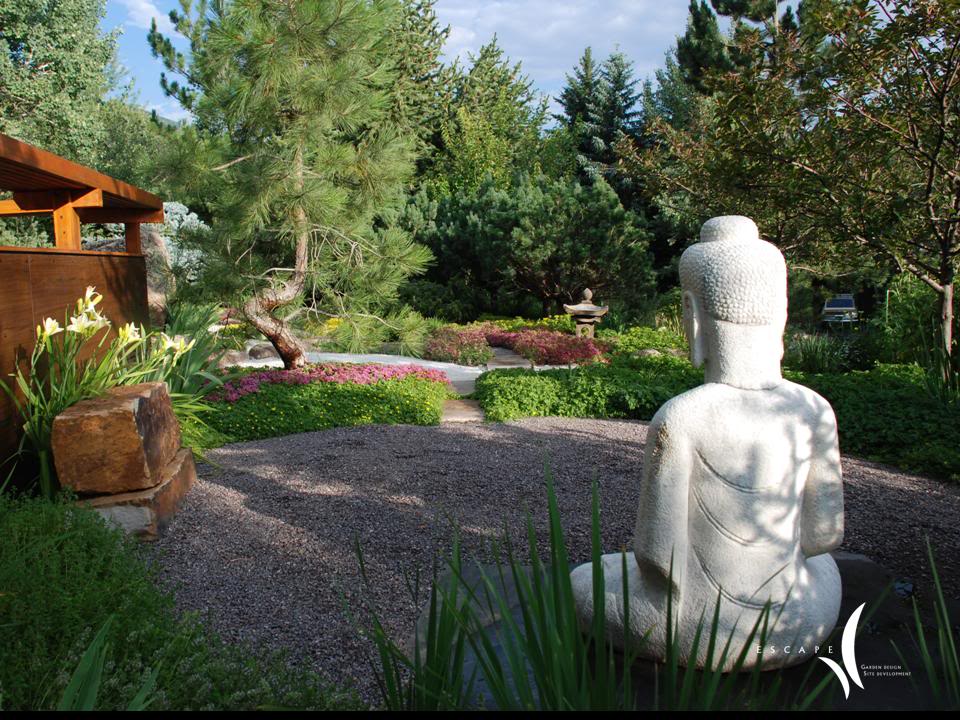
By the time the snow pulls back off the south-facing beds, the garden is impatient, and so are we.
The waterfalls come back online first. There is a morning every spring when we open the valves, clear the basins, and listen for the sound to even out, and it is one of the better days of the year.
The first bulbs push through the last of the snow, then the columbine and the early natives, and the whole valley turns green almost overnight once it commits.
Cleanup is the work of the season, though it is less about tidying and more about reading what the winter did: what came through, what did not. We cut back last year's growth and freshen the compost.
On the practical side this season, a note from the field. Most of the native soil here is alkaline clay, heavy when wet and brick-like when dry, and it is the first thing we deal with on almost every project. The fix is organic matter, and a lot of it. Compost worked into the top several inches improves drainage, feeds soil life, and slowly nudges the structure toward something plants enjoy. Skip the bagged topsoil shortcut and skip adding sand to clay, which can make concrete. Compost is the honest answer.
Hold tender plants and annuals until the frost danger truly passes in June, and keep frost cloth within reach until then.
We take on only a handful of gardens each year, which is the only way to give a place like this the attention it asks for.
More than anything, a garden up here rewards patience: it takes a season or two longer to settle than people expect, then looks like it was always there.
We design, build, and maintain our own gardens, so we live with the results for years and learn from them.
The land around us is the best teacher there is, and the gardens we like best borrow from the hillsides more than from any catalog.
Everything in this valley runs on the same short calendar, and the gardens that thrive are the ones designed around it rather than against it.
Our soil is mostly alkaline clay, the air is thin and dry, and the sun is strong, so the plants that last are the ones that have made peace with all three.
We will see you next season.